
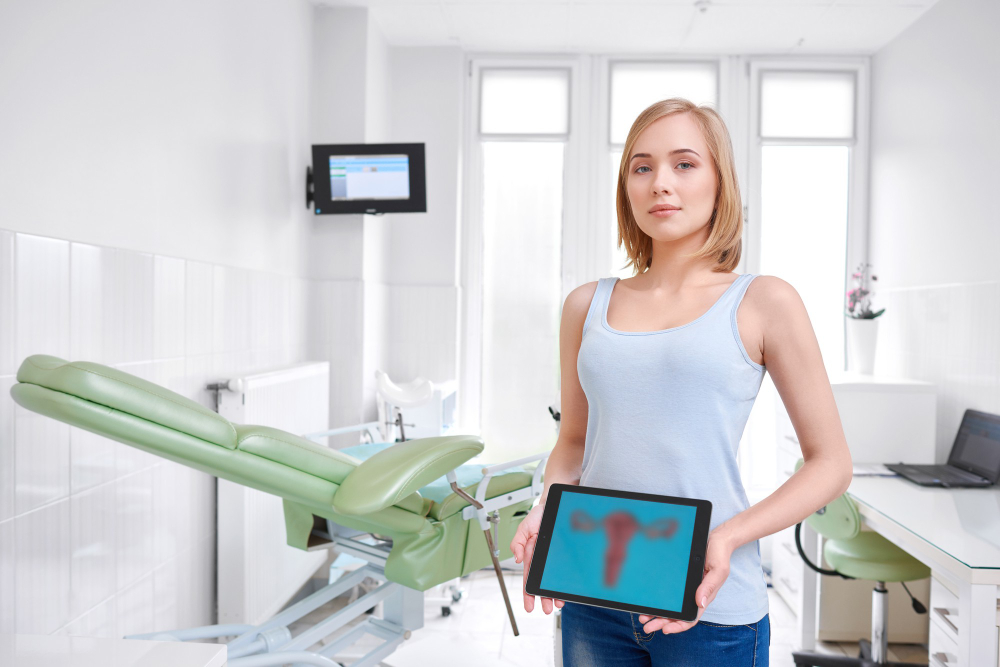
What Is Intimate Wellness?
Intimate wellness means caring for the health of a woman’s private areas. It covers comfort, function, and overall well-being. Today, modern gynecological treatments for intimate wellness help women feel their best. For many, intimate wellness is about more than just physical health. It also includes emotional and social well-being.
Because women’s needs change over time, new treatments keep evolving. These options address both common and sensitive concerns. As a result, more women can find solutions that fit their lives.
Common Concerns Affecting Intimate Wellness
Many women face issues that affect their intimate health. While some are common, others may feel embarrassing to discuss. However, it is important to know these concerns are normal and treatable.
Because these symptoms can affect daily life, seeking help is a smart step. According to the World Health Organization (WHO), early care can improve quality of life.
Advances in Modern Gynecological Treatments
Today, the latest gynecological procedures offer more choices than ever. For example, non-surgical vaginal treatments are now available in many clinics. These options can be less invasive and often have a shorter recovery time.
Because these treatments use new technology, many women see results quickly. The Centers for Disease Control and Prevention (CDC) notes that modern care can help women return to normal activities sooner.
How Gynecologists Diagnose Intimate Health Issues
First, gynecologists listen to your concerns. Next, they may ask about your symptoms and medical history. Sometimes, a gentle exam is needed to check for signs of infection or other problems.
Depending on your needs, doctors may use:
Because every woman is different, your doctor will choose the best tests for you. In many cities, clinics offer private and supportive care for these visits.
Treatment Options for Intimate Wellness
Once a diagnosis is made, your doctor will discuss treatment options. These may include both medical and non-surgical vaginal treatments. For example, some women benefit from creams or tablets. Others may try the latest gynecological procedures, such as:
Because each woman is unique, your care plan will be tailored to your needs. Improving female intimate wellness often means combining treatments for the best outcome.
Lifestyle Tips to Support Intimate Wellness
Besides medical care, healthy habits play a big role in women’s intimate health solutions. For instance, simple changes can make a difference every day.
Because stress can affect your body, try relaxation techniques as well. If you notice changes, talk to your doctor early. The CDC recommends open communication for better health outcomes.
Preventive Measures and Regular Check-Ups
Prevention is key to long-term intimate wellness. For example, regular check-ups help catch issues early. Most experts suggest yearly visits with your gynecologist. During these visits, doctors can screen for infections, cancers, and other concerns.
Because access to care varies by location, check local clinics for services. The WHO and CDC both stress the importance of preventive care for all women.