
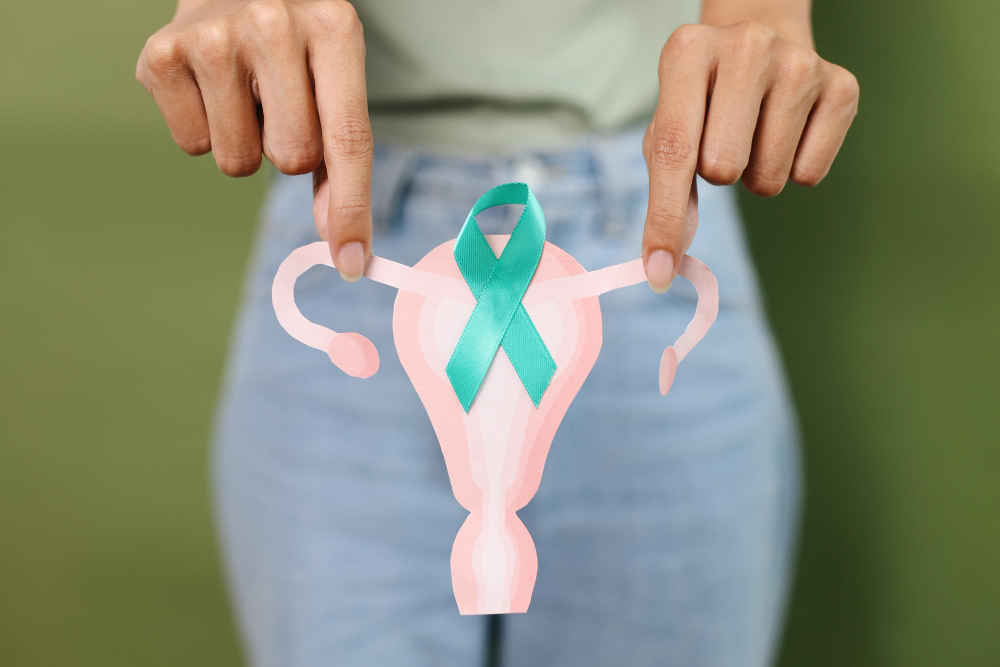
What is Cervical Cancer?
Cervical cancer starts in the cells of the cervix, which is the lower part of the uterus. Most cases are caused by a long-lasting infection with certain types of human papillomavirus (HPV). Because early stages often have no symptoms, regular checks are important. Knowing how to prevent cervical cancer can help save lives.
Why Prevention Matters
Prevention is key because cervical cancer can be deadly if not found early. However, most cases can be avoided with the right steps. For example, regular screening and vaccination can lower your risk. Early action means better outcomes and less worry for you and your family.
Key Risk Factors
Understanding risk factors helps you make smart choices. Some main risks include:
But, you can reduce many of these risks with healthy habits and medical care.
Proven Prevention Strategies
There are several ways to prevent cervical cancer. Some of the best strategies include:
Each step lowers your risk and helps protect your health.
Importance of Regular Screening
Regular screening is one of the most effective ways to prevent cervical cancer. Screening can find changes in the cervix before they turn into cancer. For example, a Pap smear or HPV test can spot early problems. Most experts, like the CDC and WHO, recommend screening every 3 to 5 years for women aged 21 to 65. Early detection means easier treatment and better results.
HPV Vaccination: What You Need to Know
The HPV vaccine is safe and effective. It protects against the types of HPV that cause most cervical cancers. The best time to get the vaccine is before becoming sexually active, usually between ages 9 and 14. However, older teens and young adults can also benefit. The vaccine does not treat existing infections, but it can prevent new ones. Talk to your doctor about the right time for you or your child to get vaccinated.
Healthy Lifestyle Tips
Besides medical steps, healthy habits can help prevent cervical cancer. Try these tips:
These habits support your immune system and overall health.
Myths and Facts About Cervical Cancer Prevention
Many myths can cause confusion. Let’s clear up some facts:
Knowing the truth helps you make better choices for your health.
When to Consult a Doctor
If you have questions about how to prevent cervical cancer, talk to your doctor. You should also see a healthcare provider if you notice:
Even if you feel fine, regular check-ups are important. Early advice can make a big difference.
For the best protection, follow these cervical cancer prevention tips and consult a healthcare specialist for personalized advice on cervical cancer prevention.
Sources: Centers for Disease Control and Prevention (CDC), World Health Organization (WHO),