Endometriosis and fertility are closely linked. Endometriosis is a condition where tissue similar to the lining inside the uterus grows outside it. This can cause pain and may affect a woman’s ability to get pregnant. Many women wonder how endometriosis affects fertility. It is important to know the symptoms of endometriosis and learn about fertility treatment options for endometriosis. Understanding this connection can help women make informed choices about their health.
What is Endometriosis?
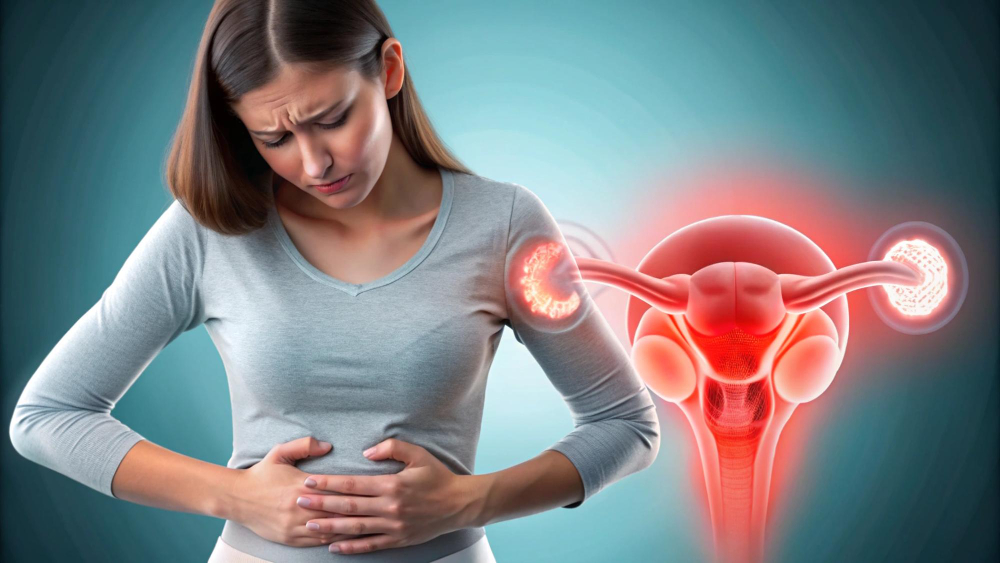
Endometriosis happens when tissue like the lining of the uterus grows in other places, such as the ovaries or fallopian tubes. This tissue acts like normal uterine lining. However, it has no way to leave the body. As a result, it can cause pain, swelling, and scar tissue.
Common symptoms of endometriosis include:
How Does Endometriosis Affect Fertility?
Endometriosis can make it harder to get pregnant. For example, scar tissue may block the fallopian tubes. This can stop the egg and sperm from meeting. Sometimes, the tissue can also affect the ovaries. As a result, it may change how eggs are released.
In addition, endometriosis can cause inflammation. This may harm the quality of eggs or sperm. Because of these changes, women with endometriosis may take longer to conceive. According to the World Health Organization (WHO), up to half of women with endometriosis may have trouble getting pregnant.
Diagnosis of Endometriosis in Women Trying to Conceive
Doctors use several methods to diagnose endometriosis. First, they may ask about symptoms and medical history. Next, a pelvic exam can help find cysts or scars. Sometimes, doctors use an ultrasound to look for signs of endometriosis. However, small areas may not show up on scans.
For a clear diagnosis, a doctor may suggest a minor surgery called laparoscopy. This allows the doctor to see inside the pelvis and take a small tissue sample. If you have symptoms or trouble getting pregnant, it is wise to seek medical advice early. Early diagnosis can help improve fertility outcomes.
Treatment Options for Endometriosis-Related Infertility
There are several fertility treatment options for endometriosis. The right choice depends on your age, symptoms, and how severe the endometriosis is. Treatment options include:
Doctors will discuss the best plan for each woman. According to the CDC, many women with endometriosis can become pregnant with the right treatment.
Lifestyle Guidance and Prevention Tips
While endometriosis cannot always be prevented, certain lifestyle choices may help manage symptoms and support fertility. For instance, regular exercise can reduce pain and improve well-being. Eating a balanced diet with plenty of fruits and vegetables may also help.
Although there is no sure way to prevent endometriosis, early treatment and healthy habits can make a difference. The CDC and other experts recommend regular check-ups for women with symptoms or fertility concerns.