
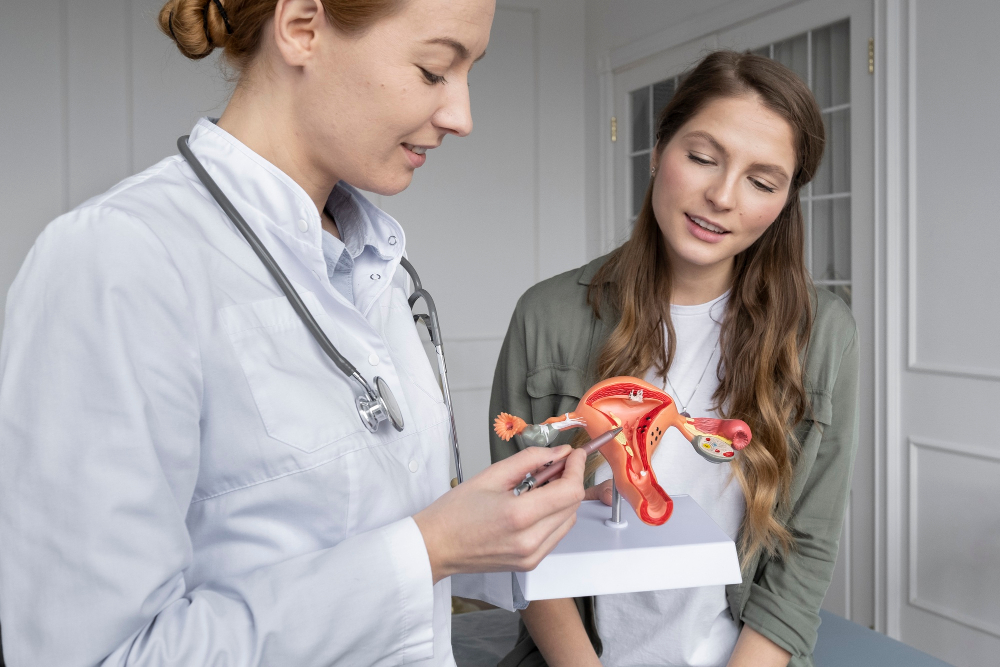
What Are Cervical Polyps?
Cervical polyps are small, soft growths that form on the cervix. The cervix is the lower part of the uterus that opens into the vagina. These polyps are usually non-cancerous. However, they can cause discomfort or bleeding. Understanding cervical polyps is important because early detection can help prevent complications. Most women with cervical polyps do not have symptoms, but some may notice changes.
Symptoms of Cervical Polyps
Many women with cervical polyps have no symptoms. Still, some signs can appear. For example, you may notice:
Sometimes, these symptoms can be caused by other conditions. Therefore, it is important to see a doctor if you notice any of these changes.
Causes and Risk Factors
The exact cause of cervical polyps is not always clear. However, several factors may increase your risk. For instance, chronic inflammation of the cervix can play a role. Hormonal changes, especially high levels of estrogen, may also contribute. In addition, infections of the cervix or vagina can increase the risk. Some women develop polyps during pregnancy due to hormone changes.
Common risk factors include:
Even though these factors may raise your risk, cervical polyps can occur in women without any known risk factors.
How Are Cervical Polyps Diagnosed?
Doctors often find cervical polyps during a routine pelvic exam. Sometimes, you may visit the doctor because of symptoms. During the exam, the doctor will look at your cervix using a tool called a speculum. If a polyp is seen, the doctor may gently remove it for testing. In some cases, a Pap smear or other tests may be done to check for abnormal cells. Most polyps are harmless, but testing helps rule out cancer or infection. According to the CDC, regular check-ups are important for women’s health.
Treatment Options for Cervical Polyps
Most cervical polyps are easy to treat. Often, doctors remove them during a simple office visit. The procedure is quick and usually painless. After removal, the polyp is sent to a lab to check for any abnormal cells. If you have an infection, your doctor may prescribe medicine. In rare cases, if the polyp is large or keeps coming back, minor surgery may be needed. However, most women recover quickly after treatment. Cervical polyp removal is safe and effective.
Prevention and Lifestyle Tips
While you cannot always prevent cervical polyps, some steps may help lower your risk. For example:
Additionally, a healthy lifestyle supports your overall reproductive health. Early detection is key to preventing problems.
When to See a Doctor
If you notice unusual vaginal bleeding, discharge, or pain, see your doctor. Even though most cervical polyps are not cancerous, it is important to get checked. Early diagnosis and treatment can prevent complications. Also, regular gynecological exams help catch problems early. Do not ignore symptoms, as prompt care leads to better outcomes.
In summary, cervical polyps are common and usually harmless. However, they can cause symptoms that need attention. Consult a gynecologist for personalized advice about cervical polyps.